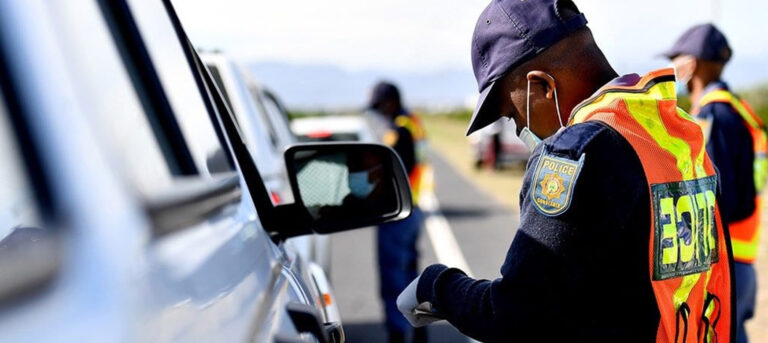
What South African Law Says About Being “Drunk” Behind the Wheel
Driving under the influence is one of the leading causes of road accidents in South Africa. But what exactly does the law mean when it says a driver is “drunk”? Let’s break it down.
📜 The Legal Framework
- The National Road Traffic Act 93 of 1996 sets the rules for alcohol consumption and driving.
- General drivers: Legal limit is 0.05g per 100ml of blood.
- Professional drivers (taxi, bus, truck): Stricter limit of 0.02g per 100ml of blood.
🍷 How Many Drinks Is Too Many?
While the law is clear on BAC, translating that into “how many drinks” is tricky:
- 1–2 standard beers (300ml at 5% alcohol) or 1–2 glasses of wine (120ml) can already put you at or near the legal limit.
- Factors that affect BAC:
- Body weight: Smaller individuals reach the limit faster.
- Gender: Women often metabolize alcohol differently.
- Food intake: Drinking on an empty stomach raises BAC more quickly.
- Metabolism & health: Each person processes alcohol uniquely.
👉 This means there is no safe number of drinks. Even one drink can impair judgment and reaction time.
⚖️ Consequences of Exceeding the Limit
If you’re caught over the limit:
- Fines and possible imprisonment.
- License suspension or revocation.
- A criminal record that can affect employment and travel.
🚨 Why the Law Matters
South Africa’s roads are among the most dangerous globally, with drunk driving a major contributor to fatalities. The law isn’t just about numbers—it’s about saving lives. A “false sense of security” from thinking you can handle “just two beers” has led to countless tragedies.
✅ Key Takeaway
The South African law doesn’t measure drunkenness by how you feel but by your blood alcohol concentration. Since even small amounts of alcohol can push you over the limit, the safest choice is simple: If you drink, don’t drive.